
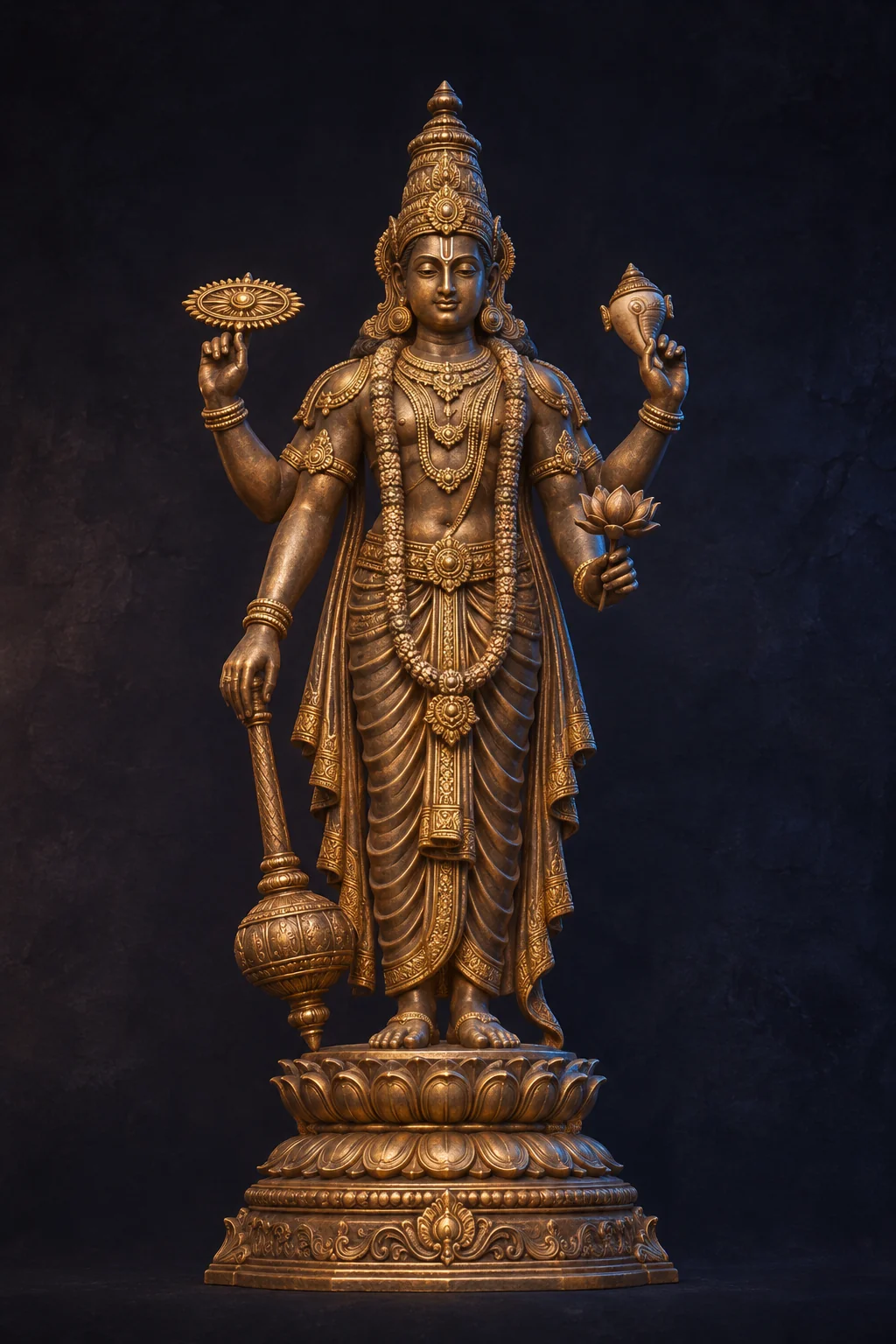
Names
Family
- Consorts
- Lakshmi, Bhumi
His mount is Garuda; he rests on the serpent Shesha in the ocean of milk, and his abode is Vaikuntha.1
Origins
In the Rigveda Vishnu is a solar god of a few hymns, known for the three strides (Trivikrama). He grows in the Brahmanas, absorbs local deities in the centuries around the turn of the era, and is fully developed in the Puranic period (fourth to twelfth centuries CE).1
The ten avatars
The Dashavatara lists Matsya, Kurma, Varaha, Narasimha, Vamana, Parashurama, Rama, Krishna, Buddha and Kalki; some lists put Balarama in place of Buddha.1
Presence in the world
Asia Society describes Vishnu traditions as historically bringing together diverse practices and divine personalities. Avatara provides an important way of understanding divine presence in the world. Lists of manifestations and their interpretation belong to particular traditions; they should not be silently standardised.4
Recognising the image
Royal dress, a conch, lotus, club and discus can identify Vishnu in devotional art. Lakshmi, also called Shri, often accompanies him. These visual features are useful starting points, but an individual artwork’s identification still requires its own evidence.4
A theological distinction
Asia Society notes that Krishna can be understood as complete and absolute in himself. Describing Krishna only as subordinate to Vishnu would therefore misrepresent some devotional perspectives.4
How traditions differ
Vaishnavism
Vishnu is the Supreme Being who creates, protects and transforms the universe.1
Trimurti and Smarta worship
He is the preserver; in Smarta Panchayatana puja he is one of five equal deities.1
Where to go next
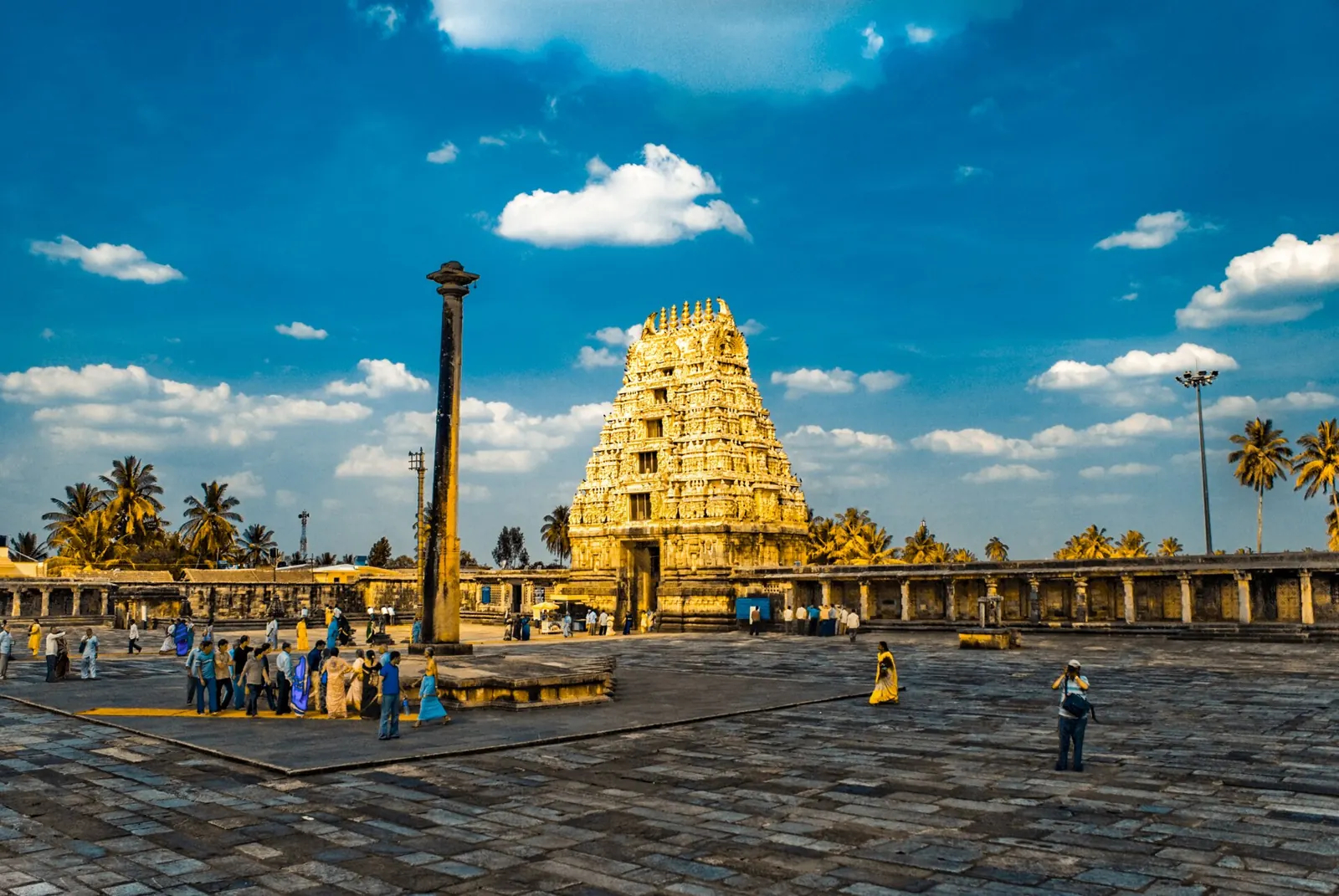 Chennakeshava Temple, BelurVishnuvardhana’s Hoysala masterpiece to the “handsome Keshava”, the one great Hoysala temple never abandoned.
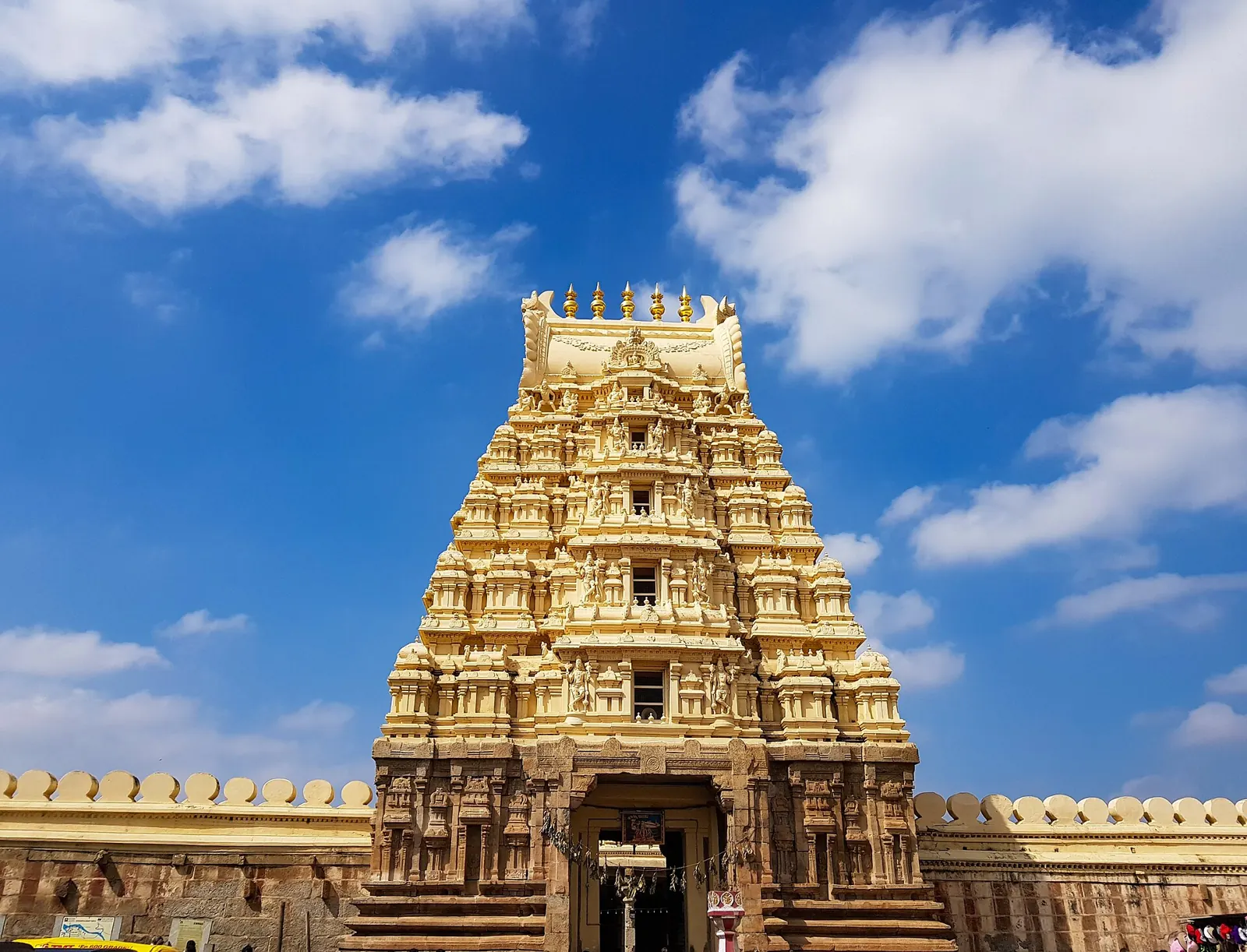 Ranganathaswamy Temple, SrirangapatnaVishnu reclining on Adisesha on an island in the Kaveri: Adi Ranga, first of the Pancharanga shrines.
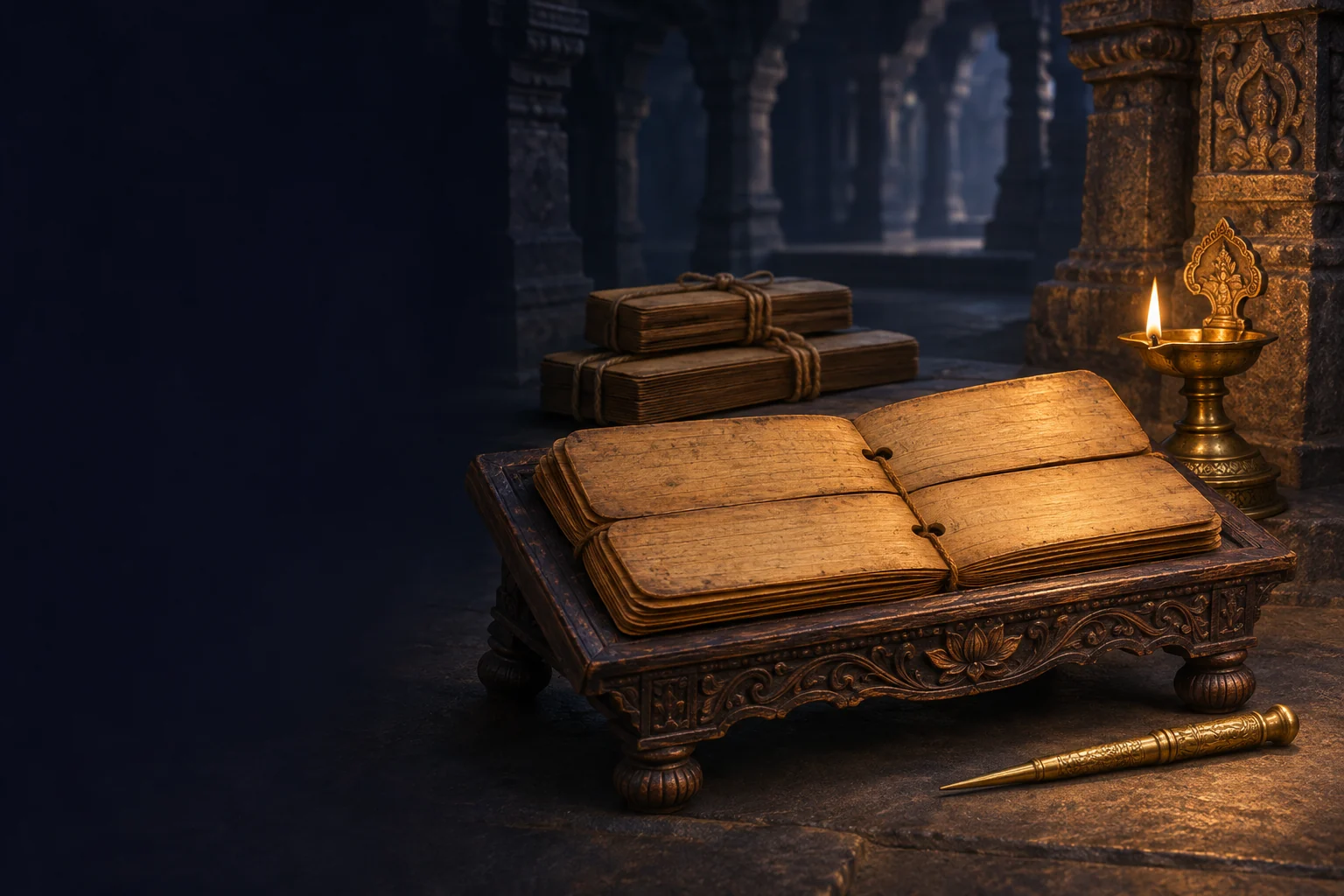 AI-created illustrationRenuka and ParashuramaThe mother beheaded at her husband’s command and restored at her son’s request.
- AI-created illustrationThe goddess EkadashiThe origin of the eleventh-day fast.
- AI-created illustrationThe birth of KrishnaBorn in Kamsa’s prison and carried across the Yamuna to Gokul.
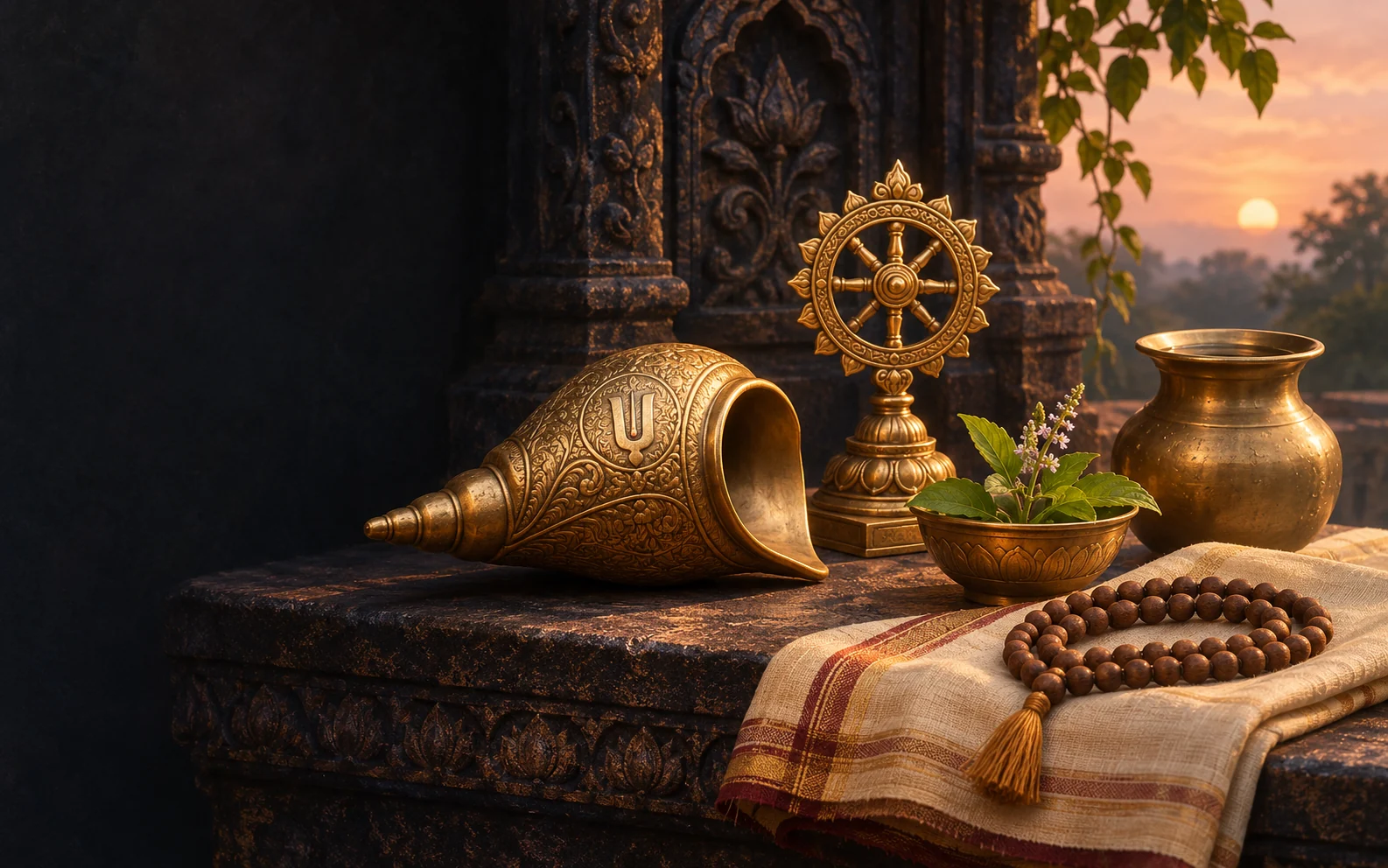 AI-created illustrationEkadashiThe eleventh-day fast for Vishnu, kept twice a month.
Sources
- Encyclopedia Vishnu — Wikipedia · accessed 2026-11-08
- Encyclopedia Ranganathaswamy Temple, Srirangapatna — Wikipedia · accessed 2026-11-08
- Encyclopedia Chennakeshava Temple, Belur — Wikipedia · accessed 2026-11-08
- Museum scholarly essay Asia Society Museum, Vishnu and His Avatars — Asia Society · Collection in Context, page 8 of 19 · accessed 2026-11-02
Researched 2026-11-08 from the cited sources. Community corrections are welcome; traditions differ, and differences are shown rather than resolved.